
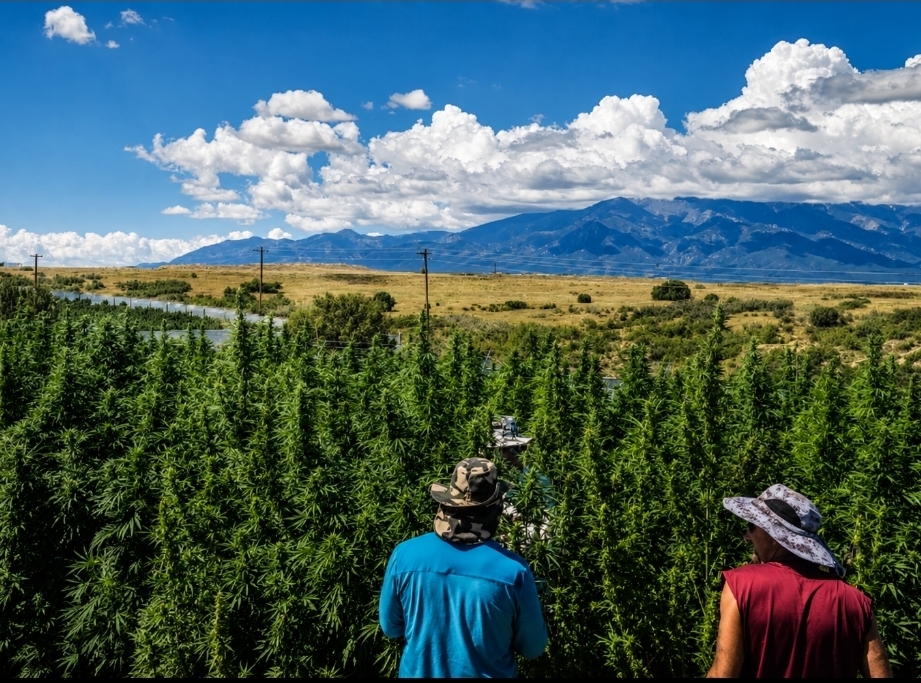
Most farming takes from the soil a little more each season. At Apothecary Farms we aim for the opposite: every harvest should leave the ground richer than before. That idea, regenerative farming, shapes how we grow every plant, and hugelkultur is one of our favorite ways to do it.
What Is Regenerative Farming?
Regenerative farming means farming in a way that rebuilds soil health, supports biodiversity and keeps nutrients cycling on the farm. Conventional growing relies on synthetic fertilizers and tilling, which can wear soil down over time. Regenerative growing treats soil as a living ecosystem full of fungi, bacteria, earthworms and other life that feed the plants naturally.
- Keeping soil covered with mulch and cover crops so it never sits bare
- Disturbing the soil as little as possible to protect fungal networks
- Composting and returning plant material to the beds
- Building biology with natural inputs instead of synthetic salts
- Encouraging biodiversity above and below the ground
What Is Hugelkultur?
Hugelkultur (German for "hill culture") is an old method of building raised garden beds on top of buried logs, branches and other woody material. That wood is then layered with leaves, compost, manure and topsoil. As the wood slowly breaks down over many years, it feeds the soil from below.
- Rotting wood acts like a sponge, holding water and cutting down on irrigation
- Decomposition releases nutrients slowly for years
- The wood feeds beneficial fungi that link plant roots to nutrients
- Beds stay loose and airy, so roots can grow deep
- Breaking-down material gives off gentle warmth that helps early in the season
How We Put It Into Practice at Apothecary Farms
Our sungrown cannabis is raised in living soil using regenerative methods, including JADAM and Korean Natural Farming (KNF). We use our own take on hugelkultur: instead of building mounded beds, we dig trenches underneath the field and fill them with organic wood material before covering them back over. This buried wood has greatly improved root growth, holds valuable nutrients and retains water deep in the soil. We feed the field with on-farm inputs such as composted plant material, mulch and homemade microbial preparations. After harvest, plant material goes back into the system instead of being thrown away.
Rather than feeding the plant directly with bottled nutrients, we feed the soil life and let it feed the plant. That gives our cannabis what it needs to show its full terpene profile. At harvest, we freeze all of our material fresh instead of drying it, locking in those terpenes for our concentrates, a big reason our extracts keep placing at competitions.
Soil That Gets Better Every Year
The best part of farming this way is that it builds on itself. Each season, the wood in our beds breaks down further, organic matter builds up, and the soil food web grows stronger. The soil holds more water, holds more nutrients and supports more life every year, so our plants grow healthier, handle stress better and produce fuller, more fruitful harvests.
Instead of a farm that needs more inputs every year to keep up, we're building one that needs fewer. It's better for the land, better for the plants and better for the people who enjoy what we grow.
Taste the Difference
Every Apothecary Farms concentrate starts with this soil and fresh-frozen, never-dried material. Stop by any of our dispensaries in Colorado and Oklahoma to taste what regenerative, sungrown cannabis is all about.